
Which Herbal Plants Grow Where in India
India's geography is a patchwork of climates, deserts, floodplains, tropical coasts and Himalayan plateaus. Each suits a different medicinal plant. Explore the map below to see where the herbs behind modern nutraceuticals actually come from.
Climate, soil and altitude decide what can be grown where. A drought-tolerant root like Ashwagandha belongs to the arid north-west, while a thirsty marsh herb like Brahmi follows the wet coastal lowlands. Saffron is rarer still, tied almost entirely to a single high valley. Pick a plant on the left and the map will highlight the states where it is traditionally cultivated.
The Botanical Map of India
Select a herb to highlight its growing regions.
Hover over a shaded state, on the map or via the chips, to see its geography, climate and the herbs it is known for.
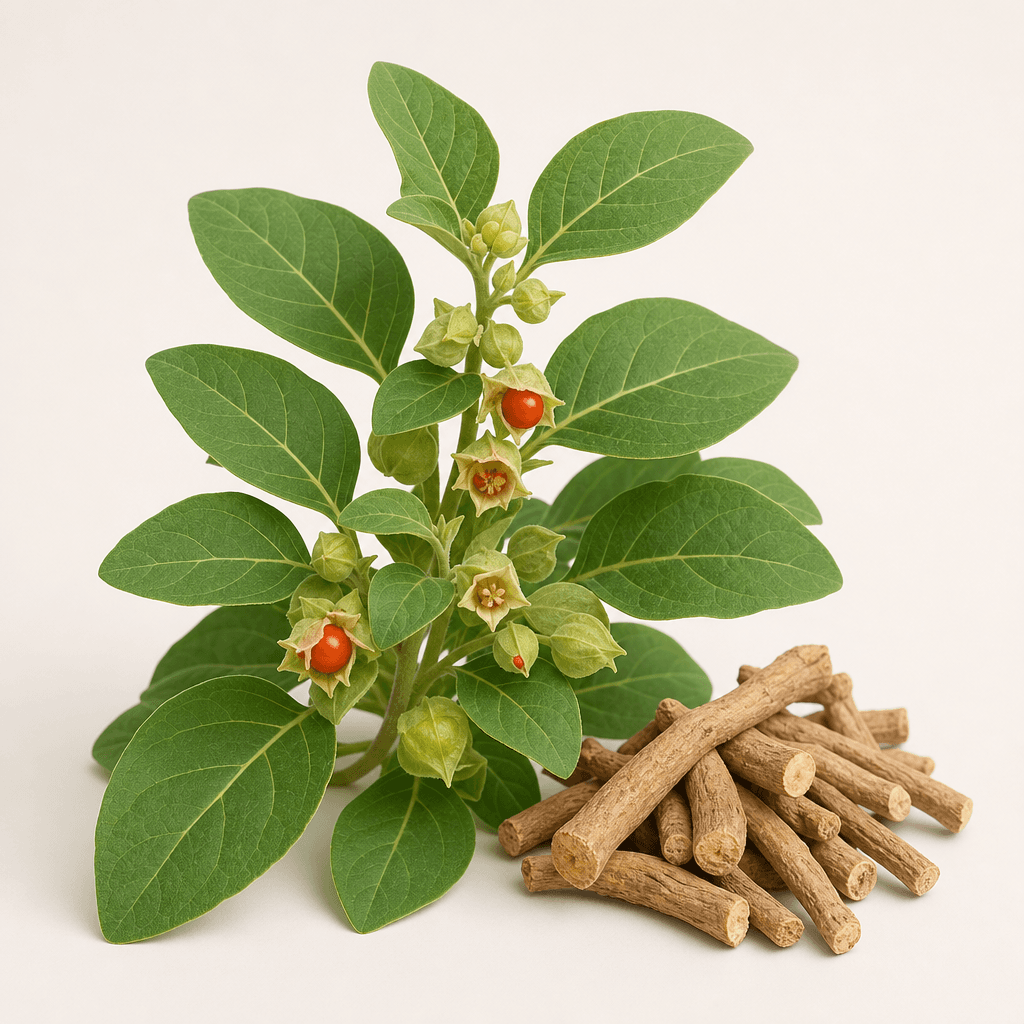
Ashwagandha
Withania somnifera
A drought-hardy shrub that thrives in the dry, sandy soils of north-western India. The roots are the prized part, harvested in the cooler winter months.
Key growing regions
The Harvest Calendar
Knowing where a herb grows is only half the story, when it's harvested drives availability, price and freshness. Here's India's growing year at a glance.
 Ashwagandha
 Turmeric
 Brahmi
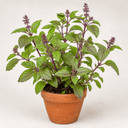 Tulsi (Holy Basil)
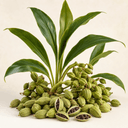 Cardamom
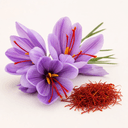 Saffron
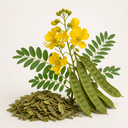 Senna
Senna Amla
AmlaWhy Origin Matters
The region a herb is grown in shapes its active-marker content, consistency and price. A turmeric grown in the high-curcumin belts of the Deccan is not the same raw material as one grown elsewhere. At NutraBridge we map every ingredient back to the right origin, then layer on independent testing and full compliance documentation.